
A Volatile Month in Perspective
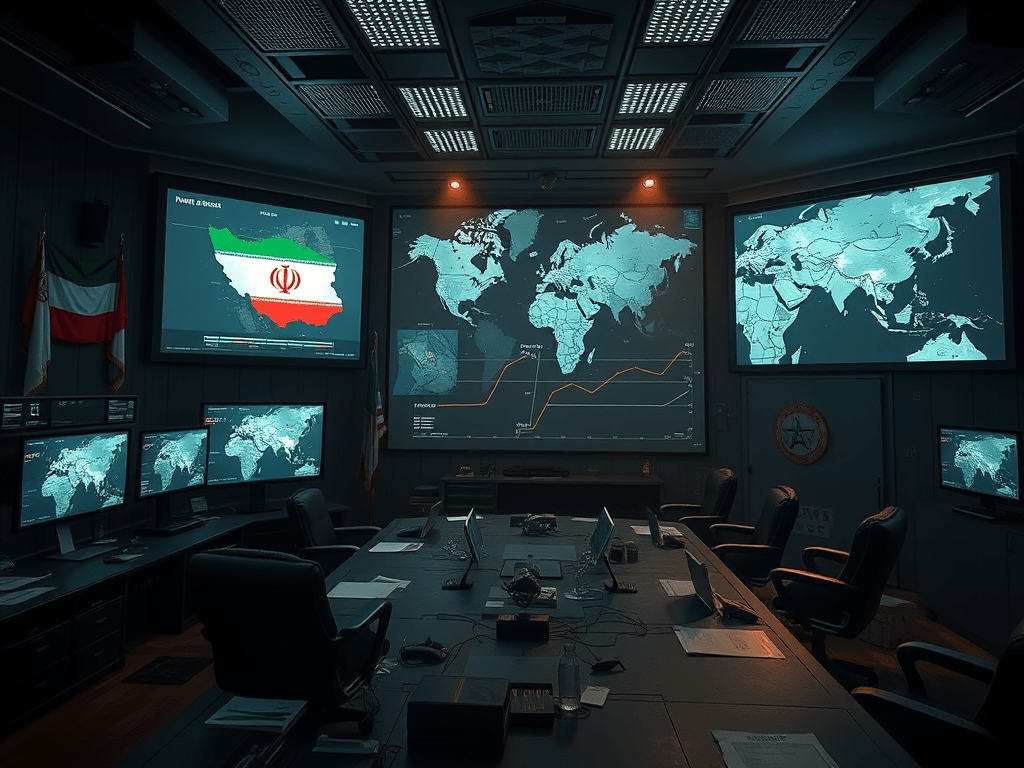
June turned out to be a tense and eventful month on the geopolitical front. The sudden escalation between Iran and Israel drew the world’s attention. Like many investors, I found myself closely watching the developments. Partly out of concern for the humanitarian impact, and partly because I wanted to understand how these events affect my portfolio and strategy.
In this post, I will break down what happened. I will also explain what I think it means for the broader market. Finally, I will discuss how I am adjusting my game plan. This is purely my own perspective and speculation, shared in the spirit of reflection and preparedness.
Before diving into the market side of things, let’s look at a quick timeline. This will recap how the conflict unfolded and it will also show where things now stand.
🗓️Timeline: Key Events in the June 2025 Iran – Israel Conflict
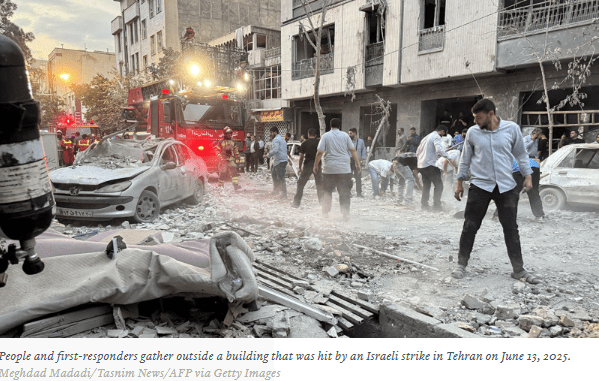
13-Jun-2025 Initial Israeli Strikes
Israel launched a wave of airstrikes targeting key Iranian military and nuclear infrastructure. The attacks included sites near Isfahan and resulted in 78 deaths and more than 320 injured, mostly civilians (Reuters). These strikes marked one of the most direct engagements between the two countries in recent history.
15 to 22-Jun-2025 Iran’s response & Missile Barrage
Iran launched a large scale response involving over 400 ballistic missiles and drones directed at Israeli territory. Most were intercepted by Israel’s Iron Dome and allied defenses, though several missiles reached their targets. The most notable damage was to Soroka Hospital in Beersheba and several injuries were reported. The exchange drew international attention and calls for de-escalation from multiple governments and organizations.
21 to 22-Jun-2025 US Military Involvement
The United States conducted targeted airstrikes under Operation Midnight Hammer, aimed at Iranian sites identified as strategic military assets.
Iran subsequently launched missiles against US military installations in the region, including a base in Qatar. All incoming missiles were intercepted, and no casualties or structural damage were reported.
This marked the first direct US military involvement in the June escalation.
23-Jun-2025 Ceasefire Announcement and Conditional Pause
US President Donald Trump publicly announced a ceasefire. He stated that both Iran and Israel had agreed to halt hostilities.
Iran indicated it would suspend further action if Israel ceased air operations by 4 a.m. Tehran time. Active hostilities have decreased since. However, Iranian officials noted that no formal ceasefire agreement had been signed. The situation remains subject to change.
🌍Broader Market Implications: A Neutral View
From an investment perspective, the events in June introduced a temporary spike in volatility across multiple asset classes. While market reactions were notable, they remained relatively contained.
- Market Volatility was Temporary
- Equity markets experienced a brief pullback mid-month, accompanied by a rise in volatility indices (VIX). Brent Oil prices moved above $75 (+13%) during the peak of the conflict, but have since stabilized.
- Energy Sector Sensitivity Remains Elevated.
- The potential disruption in the Strait of Hormuz raised short-term concerns around global oil supply. Although no interruptions occurred, the situation reaffirmed the energy sector’s vulnerability to geopolitical shocks.
- Select Sectors Saw Defensive Strength
- Companies linked to defense, Cyber-security and AI, such as Nvdia, saw modest gains amid the conflict. While I have only minor exposure to these sectors, I noted their potential role during periods of heightened geopolitical risk.
💼Portfolio Assessment: Adjustment and Priorities
I have made no immediate changes to my holdings. However, the situation provided a useful moment to reassess positions. It also gave me a chance to rethink short term strategy.
✅ Positions that I am Maintaining
- YMAX & ULTY
- These remain steady income generating assets. Their performance was largely unaffected by geopolitical developments and they help offset volatility from more growth-oriented holdings.
- MSTY
- MSTY’s US centric large cap exposure and dividend focus makes it relatively insulated from international conflicts. No adjustment needed here.
- NVDA
- The longer term outlook remains positive, particular as AI and defense related technologies continue to draw interest.
⚠️ Positions that Need Close Monitoring
- SOFI, PLTR, NET
- These higher beta growth names are more exposed to changes in market sentiment. I am not adding to them at the moment and will reassess if conditions stabilize. I will also reconsider if premiums on short puts become attractive.
- CONY
- As an Option Income ETF with exposure to tech, CONY is moderately sensitive to broader market volatility. During the June VIX spike, call premiums improved. This provides an opportunity to consider writing additional covered calls. For now, I am holding and watching option setups more actively.
📝Tactical Observations
- Energy and Gold Remain Relevant
The market’s reaction to Hormuz risks and gold demand reaffirmed their role in global asset allocation. I do not hold these directly. I am however, evaluating whether adding a small commodity or gold ETF would offer a layer of strategic diversification.
- Options Opportunities in Elevated Volatility.
June option premiums spiked temporarily. For those comfortable with cash secured puts, this offers a chance to earn outsized premiums during market uncertainty.
🎯Final Thoughts
The June conflict served as a strong reminder that geopolitical developments can reshape short-term market dynamics in unexpected ways. Though the ceasefire appears to be holding, tensions in the region remain a potential source of future volatility.
For now, I am staying the course. I am building long-term exposure to crypto, and am maintaining income-generating positions. I am also selectively considering additions in commodities or defense if conditions warrant. Meanwhile, I will also watch macro signals such as oil and gold prices more closely than usual.
If regional events intensify, or if markets begin to price in sustained commodity inflation, I will be ready to adjust. Until then, my focus remains on fundamentals, flexibility and staying informed.
If you’re navigating similar income strategies, I would love to hear how your portfolio responded to the June volatility. Please share your experience. Are you adjusting your exposure, locking in premiums, or simply staying the course?
Let’s compare notes. Staying informed is half the game. The other half is knowing when not to move.
Stay Informed, Stay Flexible, Stay Invested.
 Equity-Pulse
Leave a comment